

Is It Mould or Vanillin Crystals? How to Identify High-Quality Vanilla Beans
Mould vs Crystals on Vanilla Beans
How to Tell the Difference — and Why White Crystals Are a Good Sign
If you’ve ever opened a pack of vanilla beans and noticed white or crystal-like marks, you may have wondered:
“Is this mould?”
You’re not alone. This is one of the most common questions vanilla sellers receive — and the good news is that most of the time, it’s not mould at all.
Let’s break it down clearly 👇
What Mould on Vanilla Beans Looks Like (and Smells Like)
Mould is a sign of poor curing, excess moisture, or incorrect storage.
Key signs of mould:
- ❌ Smells bad or musty (not sweet or vanilla-like)
- ❌ Appears in one concentrated spot and spreads outward
- ❌ Looks fuzzy, powdery, or wet
- ❌ Colours can be black, green, yellow, or grey
- ❌ Beans often feel overly wet or slimy


Mould usually occurs when:
- Beans are picked too early
- Beans are not cured long enough (proper curing takes 3–4 months)
- Beans are vacuum-sealed or packed incorrectly
- Beans retain too much moisture during shipping
Can Mouldy Vanilla Beans Be Salvaged?
Yes — often they can.
If the mould is only surface-level:
- Gently wipe the area with a paper towel lightly moistened with food-grade alcohol
- Place the beans in a slightly vented bag
- Let them sit in gentle sunlight for a few hours
- If the aroma returns to a rich vanilla scent, the bean is safe to use
If mould has eaten into the bean, cut off the affected section and use the rest as soon as possible.
What Are Vanillin Crystals? (The Good Stuff ✨)
Now here’s the part most people don’t know 👇
Those white, shiny, crystal-like spots on vanilla beans are often vanillin crystals — and they are a sign of exceptional quality.
Vanillin crystals:
-
✅ Look white, shiny, or glass-like
-
✅ Appear sporadically across the bean
-
✅ Are dry, not fuzzy or wet
-
✅ Smell intensely sweet and vanilla-rich
-
✅ Are not mould
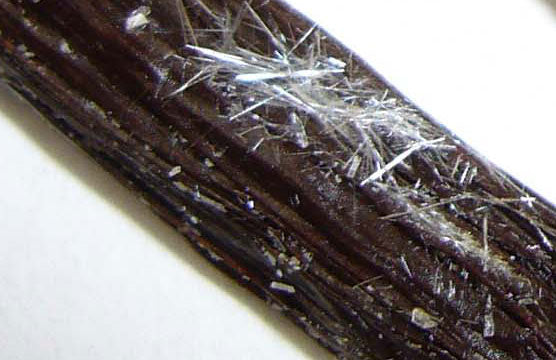
These crystals form when:
- Beans are properly cured
- Moisture levels are naturally lower
- The bean has very high vanillin content
👉 Most vanilla beans contain 1–2% vanillin
👉 Crystal-forming beans often contain 3–5% vanillin
In simple terms:
More crystals = more flavour
Why Premium Vanilla Beans Develop Crystals
Vanillin crystals develop naturally over time in:
- Well-cured vanilla
- Beans stored correctly
- High-quality varieties (especially Madagascar & Indonesian)
They are actually highly prized by chefs, bakers, and flavour specialists.
How to Store Crystallized Vanilla Beans
To keep your beans perfect:
- Store in a sealed plastic bag
- Place inside a glass or plastic jar
- Keep away from excessive heat or air exposure
- Do not refrigerate
This prevents the beans from drying out too much while preserving aroma.
Mould vs Crystals — Quick Comparison
| Feature | Mould | Vanillin Crystals |
|---|---|---|
| Smell | Musty / unpleasant | Sweet, rich vanilla |
| Texture | Fuzzy or wet | Dry, crystalline |
| Spread | Grows from one spot | Appears scattered |
| Colour | Green, black, yellow | White / clear |
| Quality | Poor | Excellent |
Final Tip: Trust Your Nose 👃
When in doubt, smell the bean.
- If it smells sweet, warm, and vanilla-rich → you’re good
- If it smells off or musty → investigate further
At SpiceBloom, we regularly see vanillin crystals on our premium vanilla beans, and we consider them a mark of quality — not a flaw.
If you ever have questions, we’re always happy to help 💛